

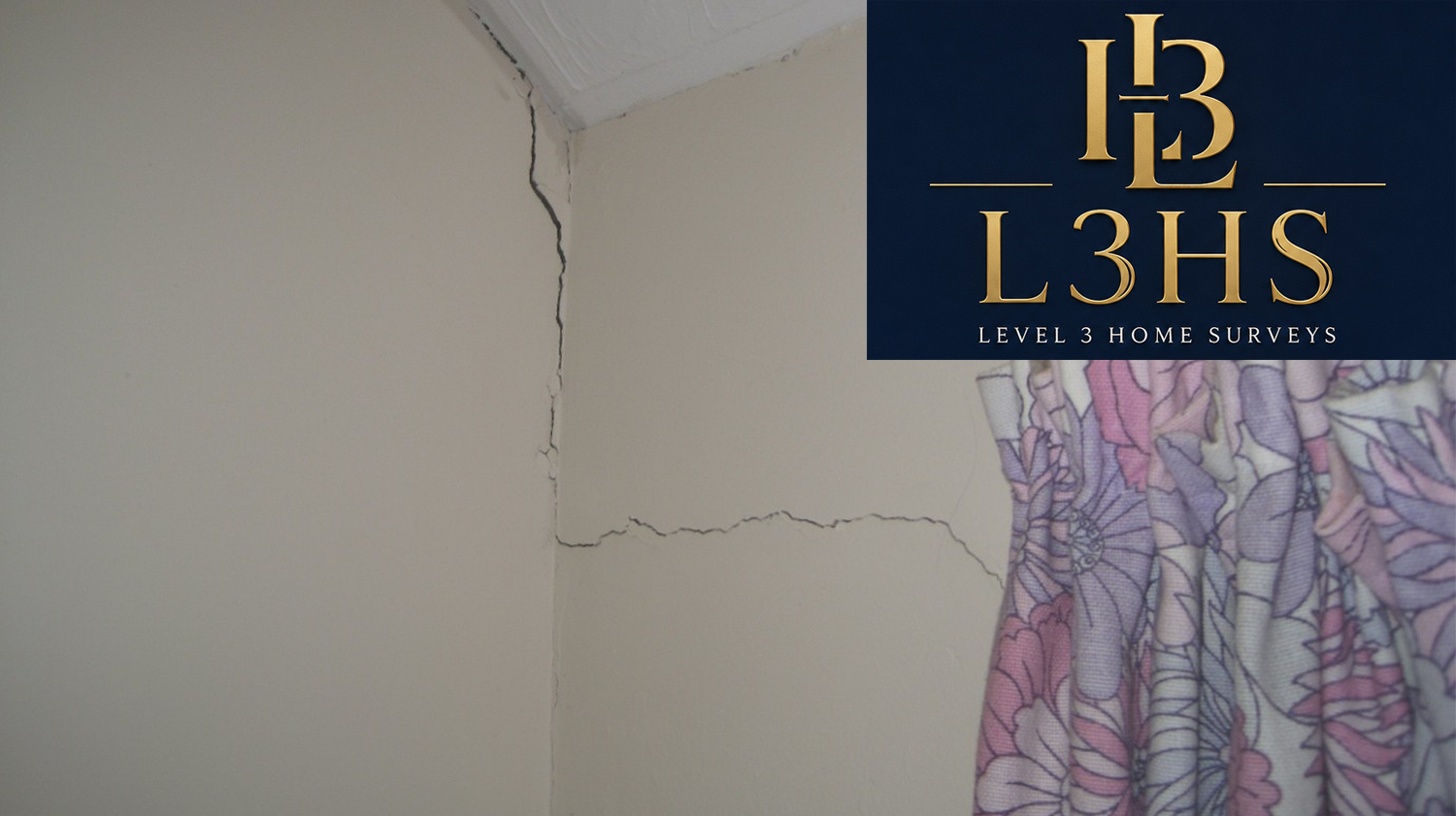
Cracking in a property does not necessarily mean there is a serious structural problem, but it should be properly assessed where the cause is unclear, the cracking is progressive, or there are other signs of movement.
Level3HomeSurveys Ltd provides independent inspections of cracking and suspected structural movement in houses and residential buildings.
Our inspections are undertaken by an MRICS Chartered Building Surveyor and are intended to help establish the likely cause, significance and appropriate next steps.
When should cracking be investigated?
An inspection may be worthwhile where you have noticed:
- new or widening cracks
- stepped cracking through brickwork
- cracking around windows or doors
- doors or windows becoming difficult to operate
- separation between walls, ceilings or extensions
- movement to boundary walls, patios or external structures
- cracking following building or alteration works
- concerns regarding subsidence or ground movement
- cracking identified during a previous survey
Not all cracking is structurally significant. Properties naturally experience some movement due to settlement, thermal changes, drying shrinkage and alterations carried out over their lifetime.
The important question is why the cracking has occurred and whether it remains active.
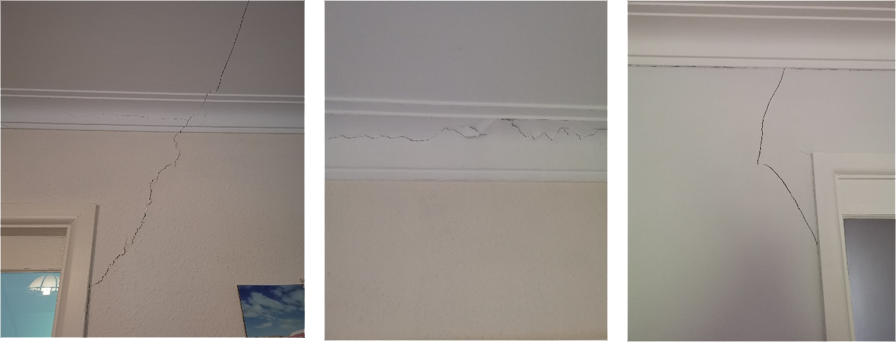
These cracks should be considered in context, with the pattern and location reviewed to help establish whether they are associated with structural movement or more localised causes
What we look for
Our inspection will normally consider the pattern, position and extent of cracking together with the construction and age of the building.
Where relevant, we will consider matters including:
- foundations and likely ground conditions
- nearby trees and vegetation
- drainage defects
- previous alterations and extensions
- differential movement between different parts of the building
- roof spread or structural distortion
- movement around openings
- historic repairs or previous monitoring
- changes in ground level or adjoining construction
Where reasonably possible, we will distinguish between cosmetic cracking, historic movement and defects that warrant further investigation.
Practical advice, not unnecessary alarm
Cracking is frequently blamed on subsidence when there may be a much simpler explanation.
Our purpose is to provide an independent assessment of what is actually visible and explain the most probable causes.
Where further investigation is justified, this might include crack monitoring, drainage inspection, arboricultural advice, opening-up works or structural engineering input.
We will not recommend specialist investigation unless there is a reasonable basis for doing so.
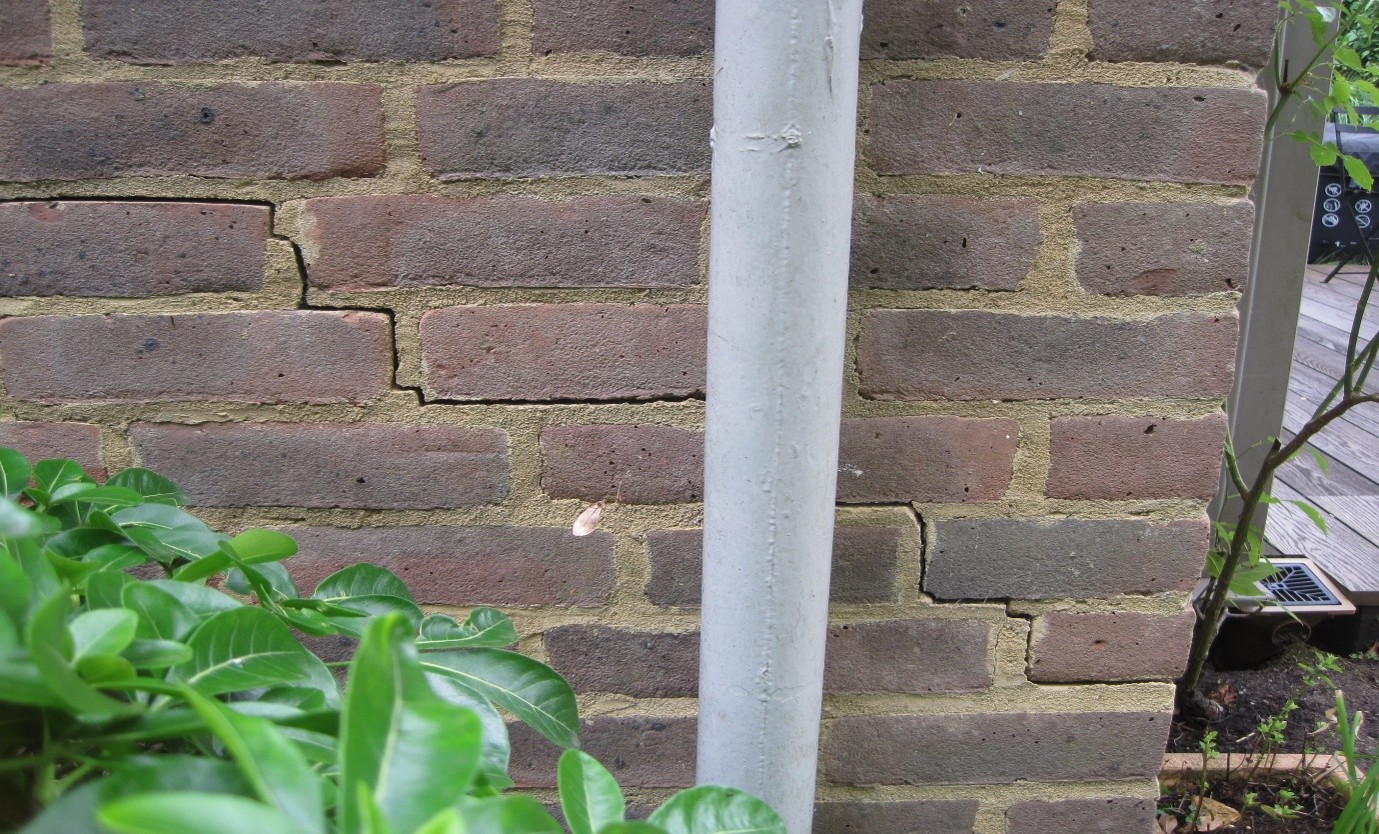
Not all cracking is structurally significant. Some defects arise from shrinkage, thermal movement, historic settlement or localised changes in construction
What you receive
Following the inspection, we can provide a written report explaining:
- the cracking or movement observed
- its likely cause
- whether the movement appears historic or potentially ongoing
- the significance of the defect
- any further investigations considered appropriate
- practical repair or remedial recommendations where reasonably possible
Independent Chartered Surveying Advice
The practice is led by a Chartered Building Surveyor with extensive practical construction experience before qualification.
This background provides an understanding not only of how cracking appears, but how buildings are constructed, altered and repaired and how defects can develop over time.
Arrange an Inspection
If you are concerned about cracking or possible structural movement, contact us with a brief description of the problem and, if available, photographs of the affected areas.
We can then advise whether a focused defect inspection is appropriate.